Welcome to Circumpolar Navigator

Circumpolar collections (both Arctic and sub-Arctic) spread across the globe in libraries, museums, and archives contain historical records that are crucial to science and broader research yet are for the most part analog, hidden, far-flung, and difficult to access. Nineteenth and early twentieth-century researchers working throughout the circumpolar regions generated a broad range of materials – photographs, documents, maps, ethnographic records, drawings, and hundreds of thousands of specimens and objects of all description – but the initial scope and unity of these collections was quickly lost upon their return.

Materials became separated and accessioned according to subject, discipline, and storage requirements, often in far-flung institutions with evolving curatorial standards. To remedy this situation, Circumpolar Navigator will bring together representative collections to create a novel digital information system for Arctic heritage materials that will provide entree to historical, scientific, and cultural information that is of great value, but which has mostly been dispersed and unavailable on the web.

Partner Special Collections

Arctic Studies Center at the Smithsonian Museum of Natural History

The Vilhjalmur Stefansson Collection at Rauner Special Collections Library, Dartmouth College

Meeting of Frontiers Project at the Library of Congress

Alaska-Yukon-Pacific Exposition Photographs

University of Washington Libraries

Featured Collections

John Carter Brown Library

Founded in 1846 and located at Brown University since 1901, The John Carter Brown Library welcomes individuals and communities from around the world to research, learn, and share knowledge about the early Americas through its collections. Access the JCB’s digital door, Americana, to search and read even more items, browse digital exhibitions and create your own digital projects.

Presbyterian Historical Society

Sheldon Jackson (1834-1909) was a Presbyterian missionary and pioneer in Alaska. He founded churches and missions throughout the West from Minnesota to Alaska and was named U.S. General Agent for Education in Alaska in 1885. The Sheldon Jackson Papers, 1855-1909, document Jackson’s work for the Board of National Missions, Presbyterian Church in the U.S.A., in the West until 1877 and then in Alaska, and his personal mission to make the Presbyterian Church and U.S. government aware of conditions in Alaska. A finding aid is available at: http://www.history.pcusa.org/collections/research-tools/guides-archival-collections/rg-239

American Polar Society

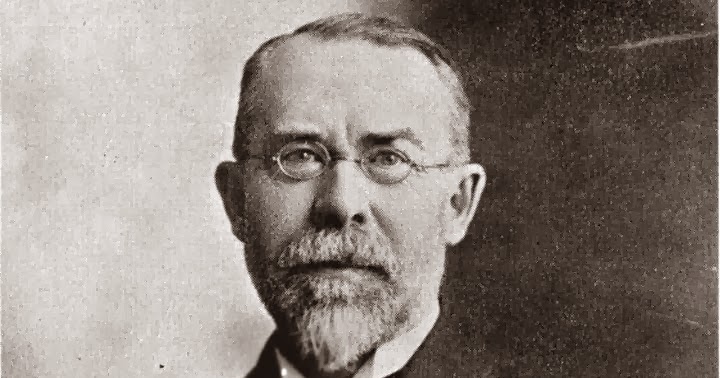
The American Polar Society (APS) was founded in 1934 by August Howard, the son of a Russian immigrant. Inspired by Admiral Byrd’s first two expeditions to Antarctica, Howard proposed the creation of a privately funded organization to serve as a clearinghouse of information about Antarctica. His vision was the catalyst that launched the American Polar Society as the premier forum and chronicler of the polar regions for eight decades. Early polar explorers/members involved in its founding and establishment as an international organization included: Admiral Richard Byrd, Sir Hubert Wilkins, Bernt Balchen, Finn Ronne, General David Brainerd, Vilhjalmur Stefansson, Lincoln Ellsworth, and Paul Siple.

National Libraries of Arctic Council Countries

National Library of Russia

National Library of Sweden

National Library of Finland

Library and Archives Canada

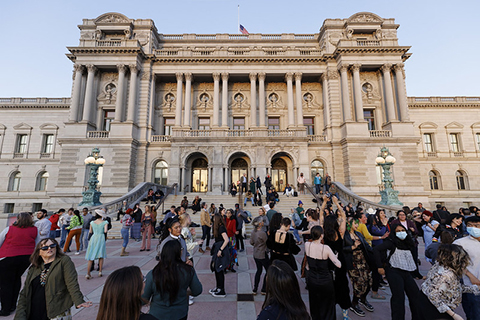
Library of Congress

National Library of Norway

Russian State Library

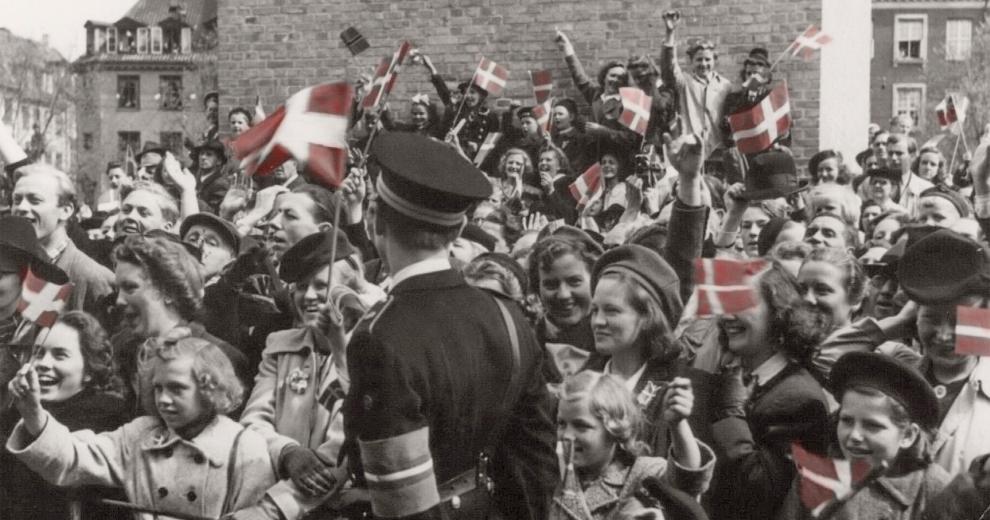
Royal Danish Library

National and University Library of Iceland

Additional Resources

Historical Sea Ice Atlas

Alaska State Library

Alaska Region | U.S. Geological Survey

Alaska’s Digital Archives

National Snow and Ice Data Center

UAA/APU Consortium Library

Alaska (U.S. National Park Service)